
Gombe National Park
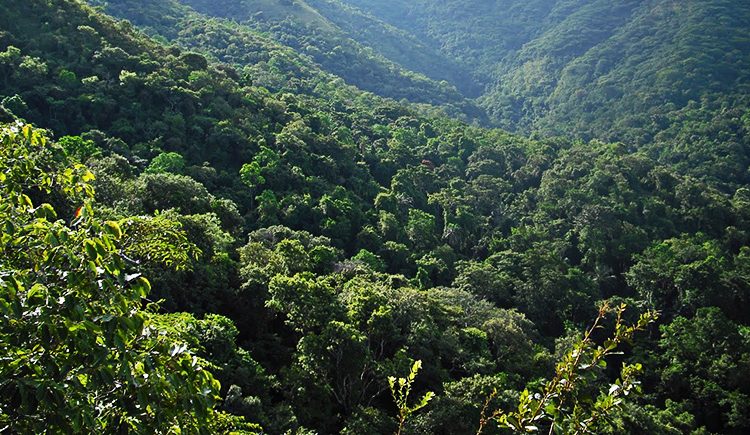
Gombe National Park is the smallest protected area situated in the western region of Tanzania, along the eastern side of Lake Tanganyika at the Tanzania-Congo border. The park encompasses an area of 35 square kilometers, featuring steep valleys and diverse vegetation types, including grassland, woodland, and tropical rainforest, which serve as habitats for endangered chimpanzees, various primates such as vervet monkeys, red colobus monkeys, red-tailed monkeys, blue monkeys, and baboons, as well as forest pigs, antelopes, and numerous bird species. Gombe National Park was designated as a wildlife reserve in 1943 and then transformed into a national park in 1968 following the commencement of primatologist Jane Goodall’s studies on chimpanzee behavior. Jane Goodall’s aspiration to investigate chimpanzee behavior commenced in 1960 when she discovered a research program at the Gombe Forest Reserve. The Kasakela chimpanzee colony, highlighted in numerous publications and videos within the park, is a significant aspect of Jane Goodall’s research. She gained widespread recognition with the 1965 film “Miss Goodall and the Wild Chimpanzees,” released by National Geographic.
Attractions in Gombe National Park
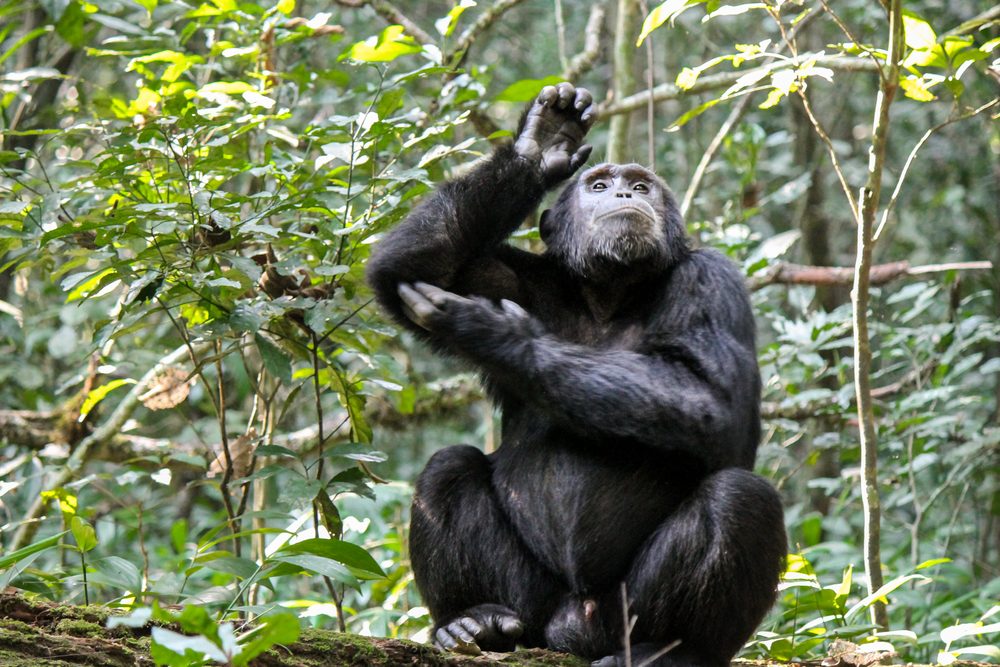
The national park is renowned for its endangered chimpanzees and various primates, including red-tailed monkeys, red colobus monkeys, blue monkeys, olive baboons, and vervet monkeys, as well as infrequently observed creatures such as bush pigs, tiny antelopes, leopards, and hippos.
Gombe National Park is home to approximately 200 bird species, including woodland, aquatic, and migratory birds, establishing it as a premier destination for avian enthusiasts. The park is home to various bird species, including the palmnut vulture, Peters twinspot, African fish eagle, crowned eagle, Ross’s turaco, double-toothed barbet, and African broadbill, among others.
Primary activities in Gombe National Park
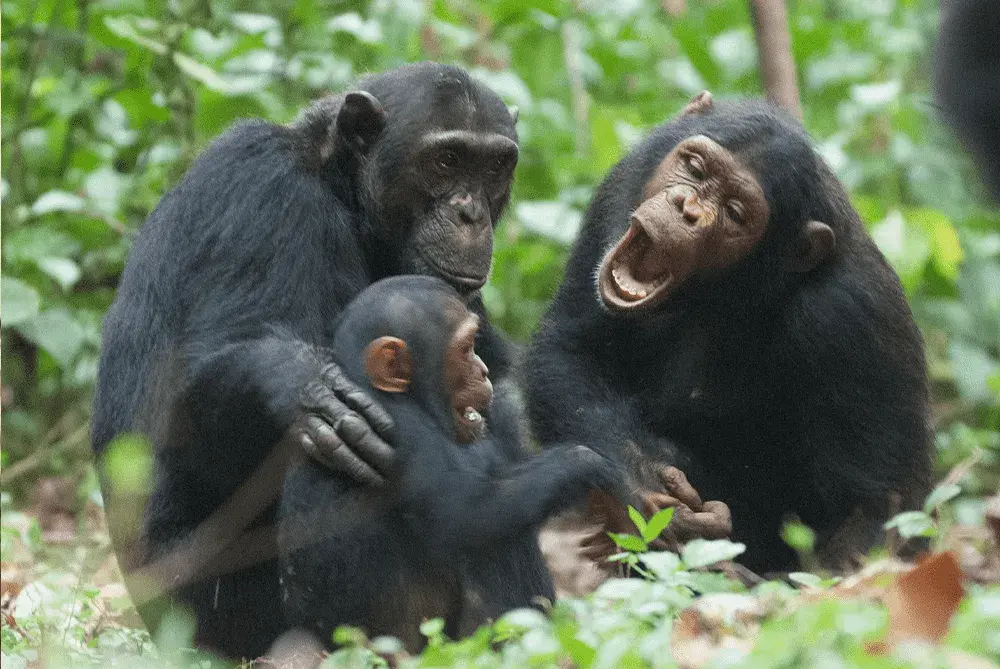
Chimpanzee trekking is a significant and engaging activity conducted in Gombe National Park. Chimpanzee trekking commences with a briefing on the rules and regulations to adhere to throughout the trip. Following the lecture, you will be assigned a park guide who is knowledgeable about the forest routes and a habituated chimpanzee family to observe. While trekking, you will observe many primate species, including vervet monkeys, red-tailed monkeys, and olive baboons, as well as diverse plant types and birds. Upon locating the chimpanzees, you will be permitted to spend one hour in their natural habitat. In the span of one hour, you will gain insights into their behaviors and habits, seeing their everyday activities such as feeding, hunting, breastfeeding, and relaxing, which will provide you with lasting experiences.
Bird watching
Gombe National Park is an avian paradise for enthusiasts, with over 200 species, including forest, migratory, and aquatic birds. Although certain avian species, such as forest birds, are challenging to observe, during your birding safari, you should be vigilant for species including Peter’s twinspot, palm-nut vulture, African fish eagle, Livingstone’s turaco, paradise flycatcher, rufous sparrow, tropical boubou, double-toothed barbet, African broadbill, and red-capped robin chat, among others. Birdwatching at the park is most effective in the early morning when birds emerge from their nests and in the late evening as they return to them.
Guided nature walk,
A guided nature walk is an engaging activity that allows for exploration of the park on foot. Nature walks commence with a briefing, after which you will be assigned an armed park guide to ensure your safety during the hike. On the guided nature walk, you will traverse numerous trails in the forest and explore notable sites, including the historic feeding station of Jane Goodall’s foundation, where Henry Stanley encountered Dr. Livingstone in 1871. You will get the opportunity to observe monkeys and creatures up close, witness birds in flight, explore diverse vegetation, listen to melodious birdsong, inhale fresh air, unwind in a tranquil setting, and capture clear photographs, among other activities.
Sport fishing
Sport fishing is an exhilarating pastime conducted with a knowledgeable guide and a fishing permit obtained from the park headquarters. Sport fishing occurs exclusively in authorized locations, utilizing the catch and release approach during the activity.
Optimal period for visiting Gombe National Park
Gombe National Park is accessible year-round; nevertheless, the optimal period for chimpanzee trekking occurs during the wet season, specifically from March to May and September to November. In the wet season, the forest experiences substantial rainfall that fosters plant growth, providing ample food and water for the chimpanzees. Consequently, trekking is more accessible compared to the dry season, when they venture further into the forest in pursuit of sustenance. The wet season is optimal for birdwatching, as it allows for the observation of vibrant and migratory avian species.
Accommodations for your safari in Gombe National Park
Gombe National Park offers many hotel options for your Tanzania safari. The lodgings encompass luxury, mid-range, budget options, and campsites, including Mbali Mbali Gombe Lodge, Gombe Forest Lodge, Mbuzi Mawe Serena Camp, Gombe Bandas, Muzye Lodge, Mlukoyoyo Guest House, and Kigoma Hilltop Hotel, among others.
Directions to Gombe National Park
Gombe National Park is readily accessible via boat from Kigoma town to the park. The national park is accessible via air travel, with scheduled or chartered flights available from Arusha or Dar es Salaam to Kigoma Airport. A driver-guide will then accompany you to the park headquarters or organize a private watercraft to the park. Your trip operator will arrange the charter flights.
Gombe National Park is the premier destination for those interested in chimpanzee trekking, as it hosts substantial populations of chimpanzees and provides protection, development, and conservation within their natural habitat. For additional information regarding the park, please contact All Tanzania Safaris.